The 3AM Problem

You Fall Asleep Fine. So Why Are You Wide Awake at 3AM Every Night?

If you're waking in the middle of the night, you're not necessarily doing anything wrong. Sleep can be interrupted for several reasons, including timing, environment, stress, habits, and other health factors. Understanding the pattern is a useful place to start.

Understand Why It Happens →

Free read — no signup. Full YU Sleep breakdown inside.

Research-informed Practical, no hype Written for U.S. readers
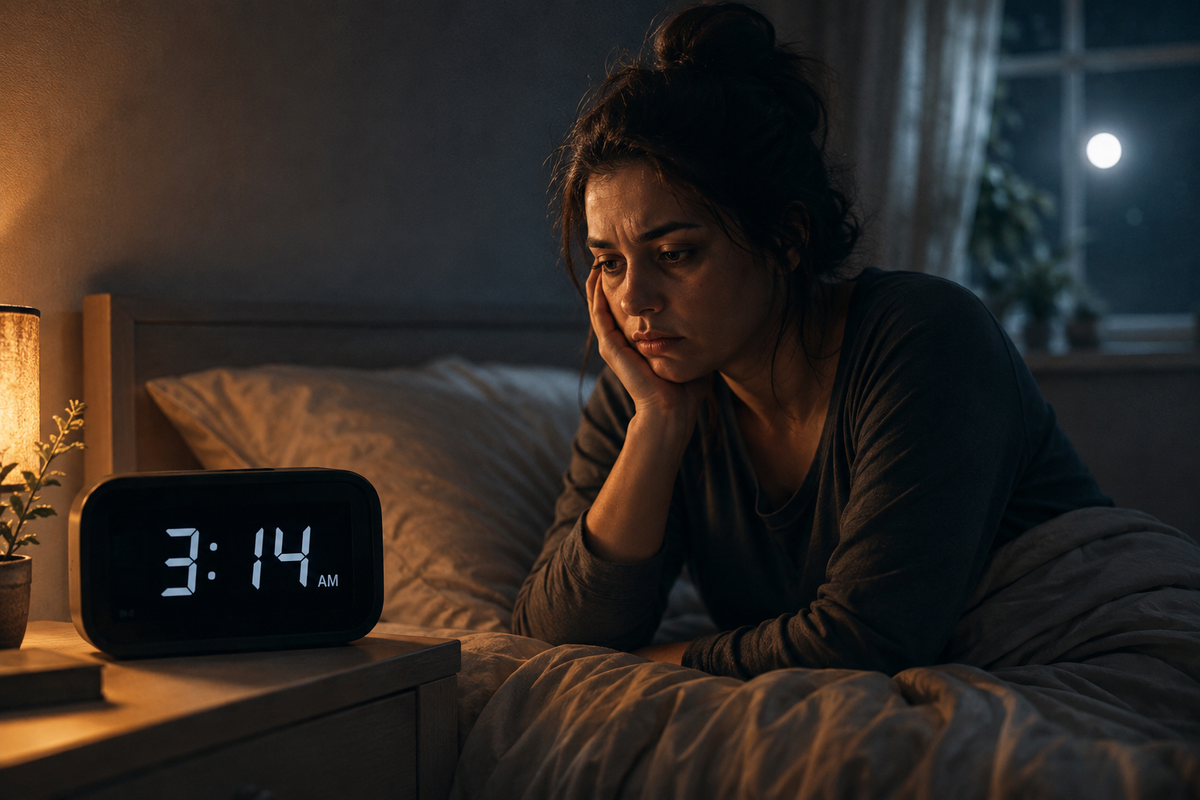
Woman awake in bed at 3:14 AM staring at the clock, unable to fall back asleep
Sound familiar?

The Loop That Keeps You Up

You go to bed tired. You fall asleep within minutes. Then, somewhere between 2 and 4 AM, your eyes snap open — heart a little fast, mind suddenly loud. You lie there doing the math on how many hours you have left. Eventually you doze off again, but the alarm hits before you feel rested.

Repeat that for a few weeks and it stops feeling like a bad night. It starts feeling like you.

What's actually happening

Why You Might Wake Up in the Middle of the Night

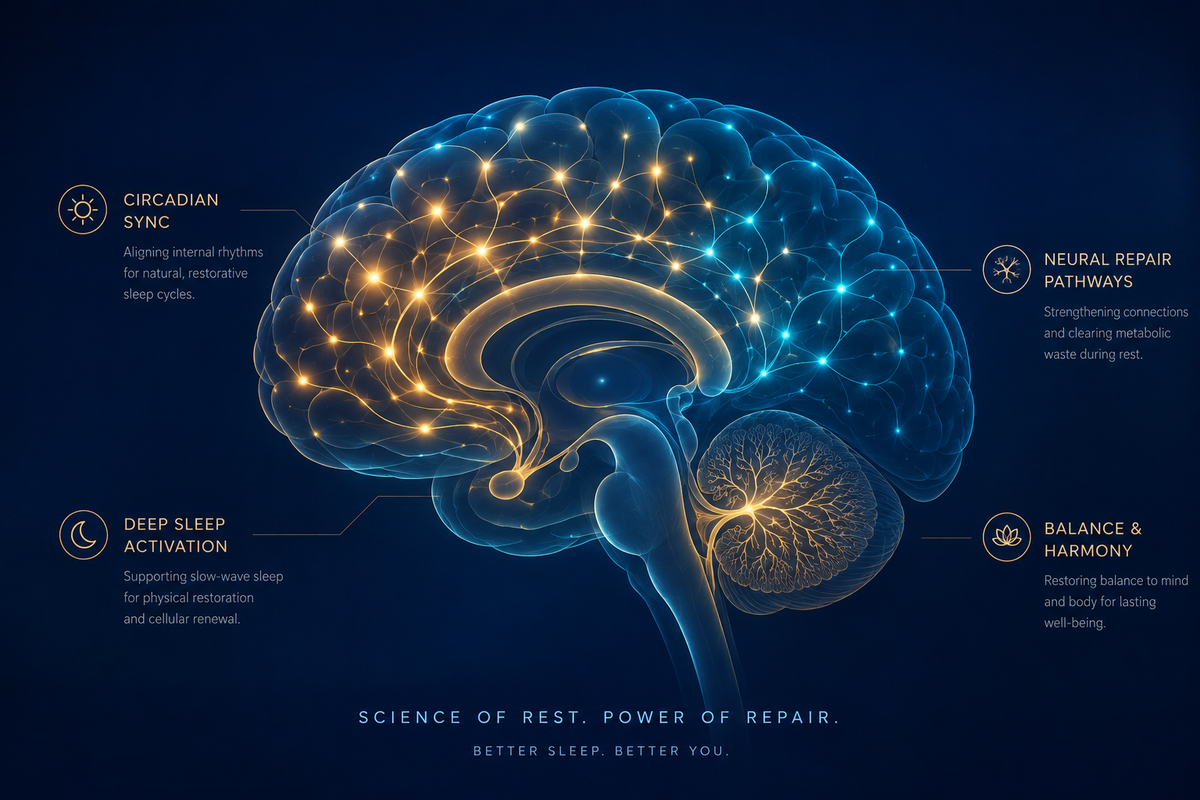
Nighttime waking can happen for many reasons. Sleep naturally moves through different stages, while your circadian rhythm, environment, habits, stress, medications, and other factors can influence whether a brief awakening turns into a longer one.

That means there isn't one universal explanation for waking at 3AM. The useful question is what pattern you are seeing and what factors might be contributing to it.

  • Circadian timing and a consistent sleep schedule
  • Sleep environment, light, temperature, and noise
  • Stress, caffeine, alcohol, medications, and other individual factors
Sleep science illustration showing circadian timing and sleep stages
What tends to help

A Practical Approach to Better Nights

A useful sleep routine usually starts with basics: a consistent schedule, a comfortable and dark sleep environment, and habits that make it easier to wind down. For people who are also considering a sleep-support supplement, it helps to understand what the product is designed to do, what evidence exists for its ingredients, and what the manufacturer actually claims.

We apply that approach in our YU Sleep review, where we separate product information from our own editorial assessment and clearly disclose that we have not personally tested the product.

Read the Full YU Sleep Review →
Calm, dark bedroom set up for sleep with warm lamp light, diffuser, and blackout curtains
Environment matters too

Your Bedroom Is Either Working For Your Sleep or Against It

Before anything else, the room itself has to say "sleep." Cooler temperature, real darkness, and cutting blue light an hour before bed all lower the barrier to falling — and staying — asleep.

We put together a practical checklist of small environment changes worth trying.

See the Bedroom Sleep Checklist →
The payoff

What Better Sleep Is Really About

The goal isn't a perfect night every night. It's creating conditions that make consistent, restorative sleep more likely and understanding what to do when nighttime waking keeps happening.

If you're considering a sleep-support product, review the evidence, the ingredients, the limitations, and the manufacturer's current information before deciding.

Read the YU Sleep Review →
Woman stretching happily in bed with morning sunlight coming through the window
Free guides

Start With Free Sleep Guides

Disclosure: Sleep Better Path is reader-supported. Some links on this site, including links to YU Sleep, are affiliate links, and we may earn a commission at no extra cost to you if you make a purchase. See our full disclosure. This content is for general education and is not medical advice.